Adapted from Hallez et al., 2017
Stringent Response as a Critical Bacterial Stress Response During Infection
Bacteria possess a diverse array of sensory systems that enable them to effectively monitor and respond to environmental changes. These intricate signaling pathways allow bacteria to adapt by swiftly reprogramming their metabolic and physiological processes, ultimately optimizing growth rate and overall survival. Among these signaling pathways, one of the most universal stress responses is the Stringent Response (SR). The SR relies on the accumulation of a secondary messenger known as guanosine tetra- or penta-phosphate, collectively referred to as the (p)ppGpp alarmone.
Extensive research has highlighted the pivotal role of this alarmone in the virulence and host colonization of numerous Gram-positive and Gram-negative pathogens. However, despite its significance in bacterial physiology, the regulation of the enzymes responsible for (p)ppGpp production and degradation in response to environmental cues remains poorly understood — particularly in the context of infection. One of our current research focuses is to understand how pathogens such as Salmonella, Klebsiella, and Enterobacter modulate (p)ppGpp levels in response to their environment, and how this molecule may contribute to antibiotic recalcitrance during infection.
Representative experiments of our research
Thin-layer chromatography

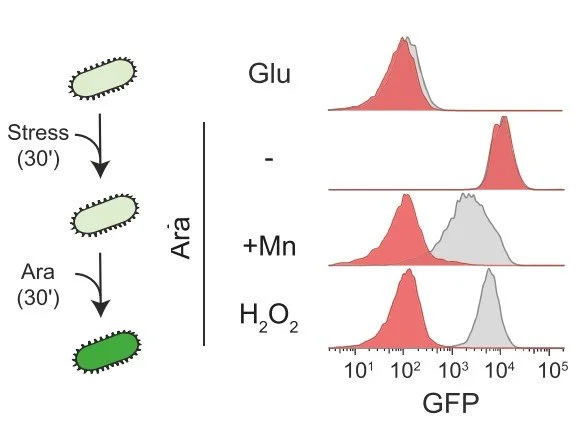
Flow cytometry
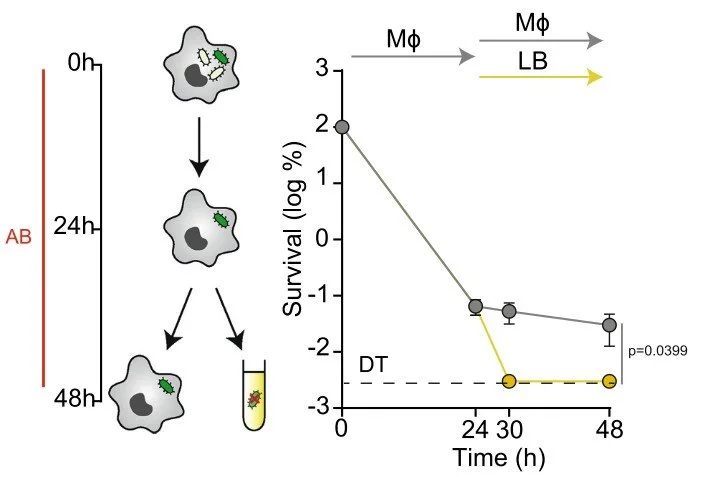
Killing assay
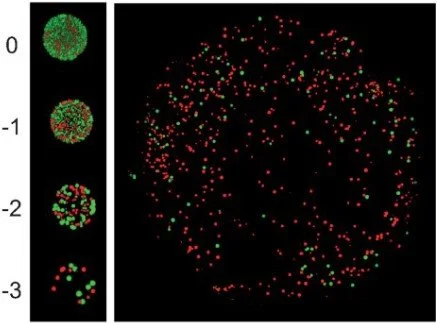
Competitive assay
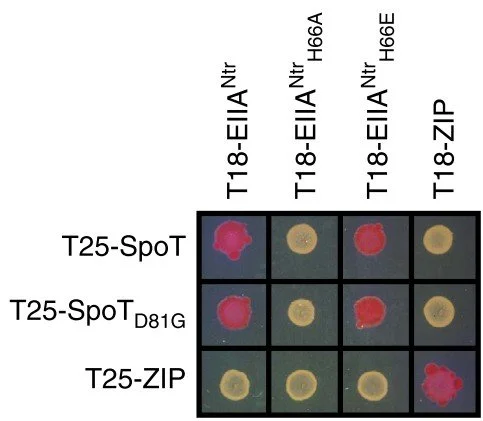
Protein-protein interaction
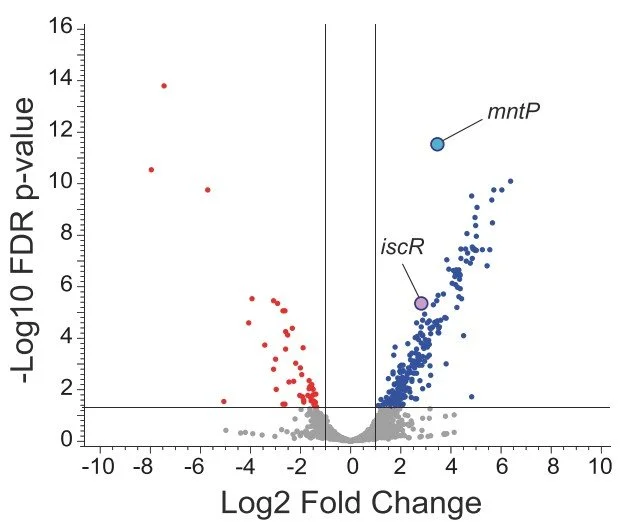
RNA seq